Europe USA

French Defence Equipment: When U.S. Components Bring Exports Under ITAR Regulations

French-made defence equipment subject to U.S. export controls

A military system can be entirely designed and manufactured in France while still being subject to certain U.S. export control regulations.

The presence of U.S.-origin components, software or technology in a defence system can trigger additional regulatory requirements, particularly under the International Traffic in Arms Regulations (ITAR).

This creates a strategic challenge for European defence manufacturers, whose equipment may incorporate technologies sourced from several different countries.

Rafale and SCALP missiles: an example of regulatory dependence

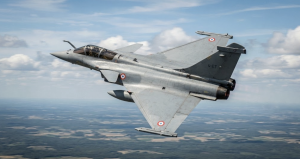
The sale of Rafale fighter jets to Egypt illustrates the potential consequences of this dependence.

The presence of U.S.-origin components in the SCALP missiles intended for integration into these aircraft led Washington to temporarily block their export.

Although these missiles are developed by the European defence industry, certain U.S.-origin components allowed Washington to exercise control over their re-export.

This case demonstrates that a defence system manufactured in Europe may still depend on foreign authorizations for certain international sales.

ITAR regulations and their impact on military supply chains

The International Traffic in Arms Regulations (ITAR) govern the export and re-export of defence articles, services and technical data subject to U.S. jurisdiction.

When a foreign-made system incorporates U.S. components subject to ITAR, its international sale or transfer may require specific U.S. authorizations.

Defence manufacturers must therefore identify the origin and regulatory status of the components integrated into their products, while monitoring applicable restrictions throughout the entire product lifecycle.

This requirement affects not only prime contractors but also equipment manufacturers and subcontractors involved in defence supply chains.

ITAR-free technologies: a strategic priority for the European defence industry

In response to these constraints, developing ITAR-free technologies has become a strategic objective for Europe’s Defence Technological and Industrial Base (DTIB).

This approach involves limiting or eliminating the use of components subject to ITAR regulations in order to reduce reliance on U.S. export authorizations.

It can give manufacturers greater autonomy over their international export operations. However, ITAR-free status does not guarantee exemption from other restrictions, including European export controls or other applicable U.S. regulations.

Export compliance must cover the entire product

For companies operating in the defence sector, export control cannot be limited to an assessment of the final product.

It requires a detailed understanding of equipment composition, the origin of the technologies used and the regulations applicable to each component.

Being manufactured in France does not necessarily mean being free from foreign export restrictions. Managing these regulatory dependencies is essential for securing the international operations of defence manufacturers.


Découvrez EC Manager

Vous souhaitez sécuriser vos opérations internationales ?

Découvrez comment EC Manager automatise le contrôle des exportations, le screening des partenaires et l’analyse d’exportabilité pour renforcer votre conformité.