The global crackdown on trade circumvention is intensifying across Central Asia. Kyrgyzstan, which had evolved into a key transshipment hub for re-exporting restricted technologies to Russia, has recently shifted its policy under the immediate threat of secondary sanctions from Western nations.
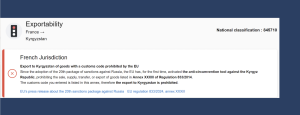
Following targeted intelligence sharing from U.S. and UK enforcement bodies-specifically OFAC and OTSI the Kyrgyz Ministry of Justice ordered the immediate closure of 50 local companies. Operating within the wholesale trade, logistics, and transport sectors, these entities served as a vital network for routing advanced components to Moscow. This diplomatic and regulatory leverage succeeded due to Kyrgyzstan’s recent inclusion in the EU’s anti-circumvention framework under the 20th sanctions package, forcing the nation to prioritize its access to Western markets.
From a compliance standpoint, this regulatory enforcement achieves the primary objective of modern export controls: generating systemic operational friction, forcing disruptive supply chain realignments, and driving up procurement costs for restricted destinations. For international trade organizations, this event serves as a critical warning. When executing an internal audit or counterparty screening, compliance teams must look far beyond the physical business address. Conducting comprehensive beneficial ownership checks and analyzing underlying transactional flows are now essential requirements to guarantee total conformity with Regulation 833/2014.