


Increasing regulatory pressure on transport and logistics companies Transport and logistics companies handle thousands of shipments every day, involving numerous products, customs codes and international destinations. With successive European sanctions packages targeting Russia and Belarus, export control requirements have become increasingly complex. Carriers must also consider the risks of sanctions circumvention through third countries, making […]
Over the past five years, the U.S. Bureau of Industry and Security (BIS) Entity List expanded from 1,350 to more than 3,300 designated entities. This 2.5-fold increase is not merely an isolated datapoint. It reflects the fundamental integration of trade compliance into global foreign policy and national security agendas. Fragmented Regimes and the Reach of […]
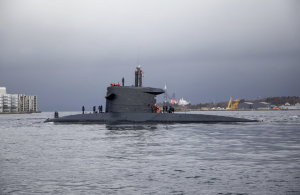
To resolve industrial base pressures and complex deployment challenges, the AUKUS pact partners (Australia, the United Kingdom, and the United States) are shifting toward a more streamlined, actionable footing. Two interconnected decisions are restructuring the alliance’s timeline, focusing on operational readiness and defense innovation. Under Pillar I, Australia is optimizing its submarine transition pathway to […]
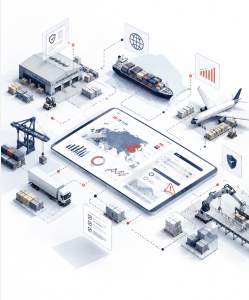
Product classification remains one of the most intricate and resource-intensive pillars of global trade management. Driven by the continuous evolution of international sanctions and the intense technical complexity of modern industrial components, traditional manual workflows are rapidly reaching their operational limits, turning process modernization into a critical requirement. In a recent feature for Export Compliance […]

In global trade, a single ECCN (Export Control Classification Number) classification error can instantly block an entire shipment. Yet, in many industrial companies, export classification is still managed through outdated methods: manual spreadsheets, repetitive administrative tasks, lengthy legal research, and occasionally obsolete regulatory data. This operational gap directly undermines a company’s overall compliance framework. The […]
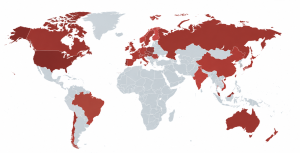
The global export control landscape is undergoing a profound transformation following Canada’s proposal for new restrictions on advanced technologies. By adding lithography equipment, epitaxial deposition tools, and advanced computing integrated circuits to its “Group 5” controls, Ottawa confirms a growing trend: Western allies are increasingly bypassing the slow pace of the Wassenaar Arrangement to respond […]

The effectiveness of international sanctions relies on a precision mechanism that evasion networks strive to jam every day. Hong Kong’s current situation serves as a textbook case for any compliance professional. In 2019, when the U.S. Treasury blacklisted a Hong Kong-based company involved in procuring sensitive technology for Iran’s ballistic program, the objective was to […]

The U.S. Department of Justice has filed civil forfeiture actions targeting more than $15.3 million allegedly linked to an Iranian oil shipping network operating under sanctions. Beyond the amount involved, this case highlights a significant shift in how authorities approach sanctions enforcement. According to U.S. authorities, these funds were used to support activities related to […]

Recent missile strikes and military exchanges involving the United States, Israel, Iran, Qatar and several regional allies reflect a new escalation in an already highly unstable geopolitical environment. These developments go far beyond the military sphere and have direct implications for companies operating internationally. In this context, issues related to export control, international sanctions and […]

On February 4, 2026, the UK Solicitors Regulation Authority published an update to its guidelines on compliance with the UK sanctions regime and on firm-wide risk assessment. This development reflects the growing focus on compliance obligations in regulated professions, particularly against the backdrop of strengthened sanctions regimes. The new guidance emphasizes, in particular, the risk […]